Pecorino Romano Cheese
Discover the Rich Legacy and Bold Flavor of Pecorino Romano
by AMBROSI
Same-day delivery may be available in covered Metro Manila areas.
Metro Manila delivery: PHP 199; free from PHP 3,000. Same-day orders close at 4:00 PM (Manila time), subject to item availability. Delivery dates and fees are confirmed at checkout.
Delivery coverage, fees and exceptions
Same-day delivery is available in covered Metro Manila areas for in-stock items ordered before 4:00 PM (Manila time), subject to the item's preparation time and earlier cutoff.
Metro Manila service: PHP 199 below PHP 3,000; free from PHP 3,000. Luzon service: PHP 450 below PHP 6,000; free from PHP 6,000. Nationwide service: PHP 700 below PHP 8,000; free from PHP 8,000. Eligible postcodes determine your available service and final fee before payment.
Pre-orders, made-to-order items, holidays, closures and addresses outside same-day coverage may require a later date. Choose from the available delivery dates at checkout.
Delivery date and fee are confirmed at checkout.
Delve into the world of Pecorino Romano, a cheese that bears the imprints of time, culture, and tradition. Known for its sharp and salty profile, this ancient delicacy is not just a cheese but a journey through Italy’s illustrious gastronomic heritage. Join us as we explore its origins, production techniques, and culinary applications that make Pecorino Romano a staple in kitchens worldwide.
Origins and Heritage
Pecorino Romano is a testament to Italy’s rich culinary history, boasting a lineage that stretches back over two millennia. Its roots can be traced to ancient Roman times when it was a vital component of a soldier’s diet due to its sustaining qualities and long shelf life. The name itself, deriving from ‘pecora’, the Italian word for sheep, highlights its exclusive use of sheep’s milk, primarily drawn from the Sarda or Comisana breeds. Such specificity in milk selection is a tribute to the PDO (Protected Designation of Origin) status it holds, ensuring that every wedge of Pecorino Romano upholds the traditions that define it.
The Art of Production
Crafting Pecorino Romano is as much an art as it is a science. The process begins with the careful selection of fresh sheep’s milk, optimally harvested between November and June. This milk undergoes heating and is subsequently mixed with natural rennet to form curds, a critical step in developing its unique texture and flavor. What follows is a methodical process of cutting, pressing, and, notably, salting. The salting process, either by dry hand salting or immersion in brine, is pivotal in rendering the cheese’s characteristic sharpness and ensuring its longevity. Once salted, the cheese is left to age—some for a minimum of five months, while others extend well beyond a year, amplifying its pungency and depth.
Distinctive Characteristics
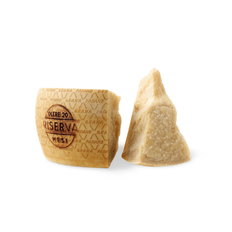
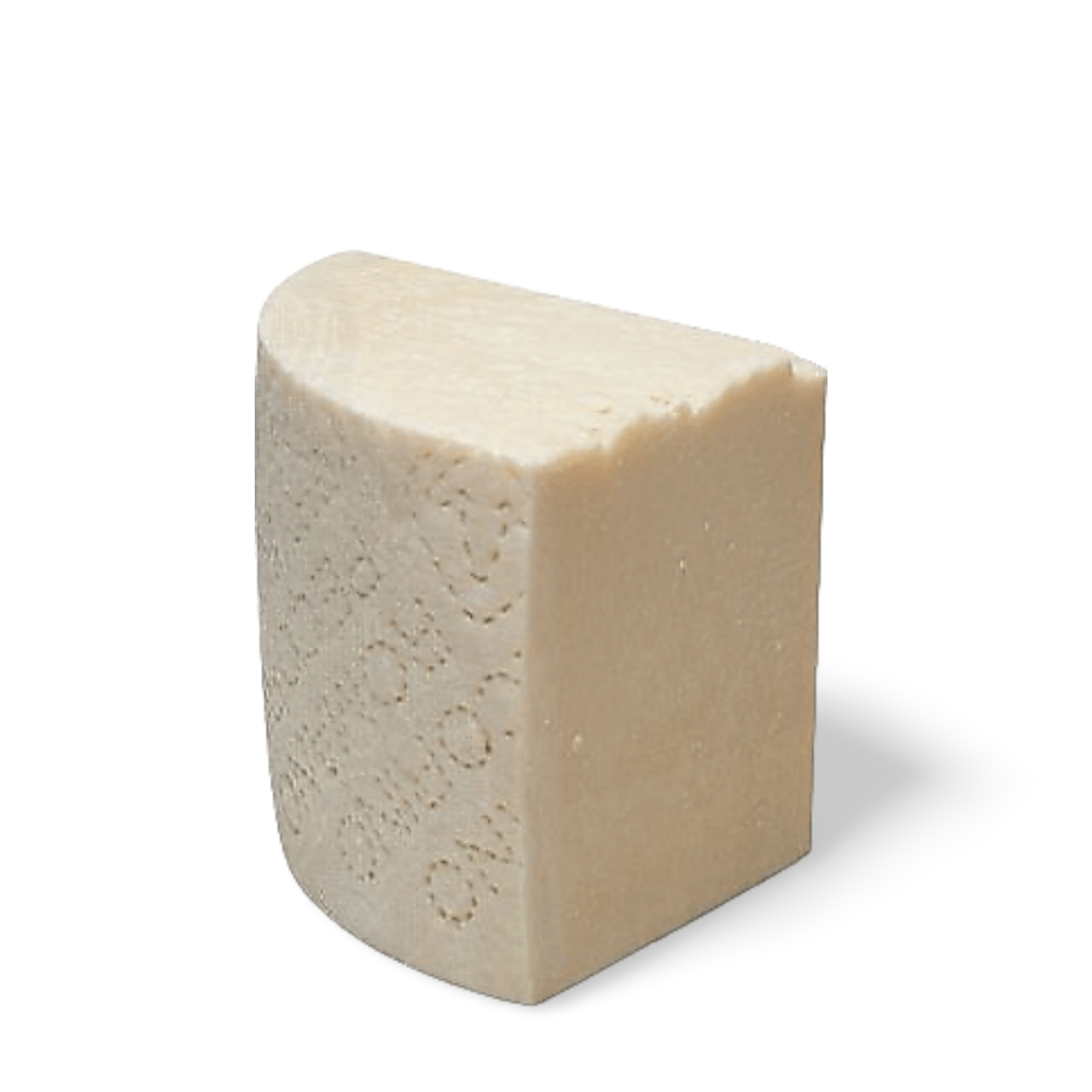
Physically, Pecorino Romano is striking, known for its hard, crumbly texture ideal for grating. Its aesthetic appeal is equally defined by a pale yellow demeanor and a robust rind that encloses its treasures within. The aroma, as profound as its taste, delivers an earthy punch with subtle lanolin hints, a true testament to its livestock origin. This cheese is packed with flavor, predominantly sharp and savory, with a distinctive saltiness that sets it apart from milder, smoother counterparts like Parmigiano Reggiano.
Culinary Versatility
In the culinary world, Pecorino Romano shines in its adaptability. It is most renowned for gracing the tops of pasta, soups, and salads, infusing them with its vibrant sharpness. Its role in traditional Roman dishes such as Cacio e Pepe, Carbonara, and Amatriciana cannot be understated—each recipe a masterpiece in its own right, brought to life by Pecorino’s bold essence. Beyond the classic applications, it finds place on charcuterie boards, paired beautifully with honey, almonds, or figs. Indeed, a cheese that complements as much as it commands.
Touch of Tradition in Every Bite
Each taste of Pecorino Romano is a nod to the craftsmanship passed through generations. Whether neatly grated over your favorite pasta or enjoyed in timeless simplicity with a glass of Chianti, this cheese is a journey—a journey through Italy’s rolling pastures, ancient techniques, and flavorful traditions.
Pecorino Romano not only stands as a jewel of Italy’s culinary crown but also serves as a bridge connecting the past and present, a medium through which storied traditions continue to enrich kitchens around the world.