Tête de Moine Semi-Hard Swiss Cheese - A Monastic Delight
Discover the Artisanal Secret of the Jura Mountains
by Generic
Delivery today - Same day delivery available in Metro Manila.
Or choose your delivery date during checkout.
Embark on a culinary journey to the serene Jura Mountains of Switzerland, where the artisans at Bellelay Abbey have been crafting the illustrious Tête de Moine cheese since the 12th century. This semi-hard, unpasteurized cow’s milk cheese is more than a delicacy; it’s a historical symbol of Swiss cheesemaking mastery.
A Legacy of Artisanal Excellence
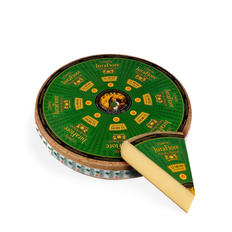
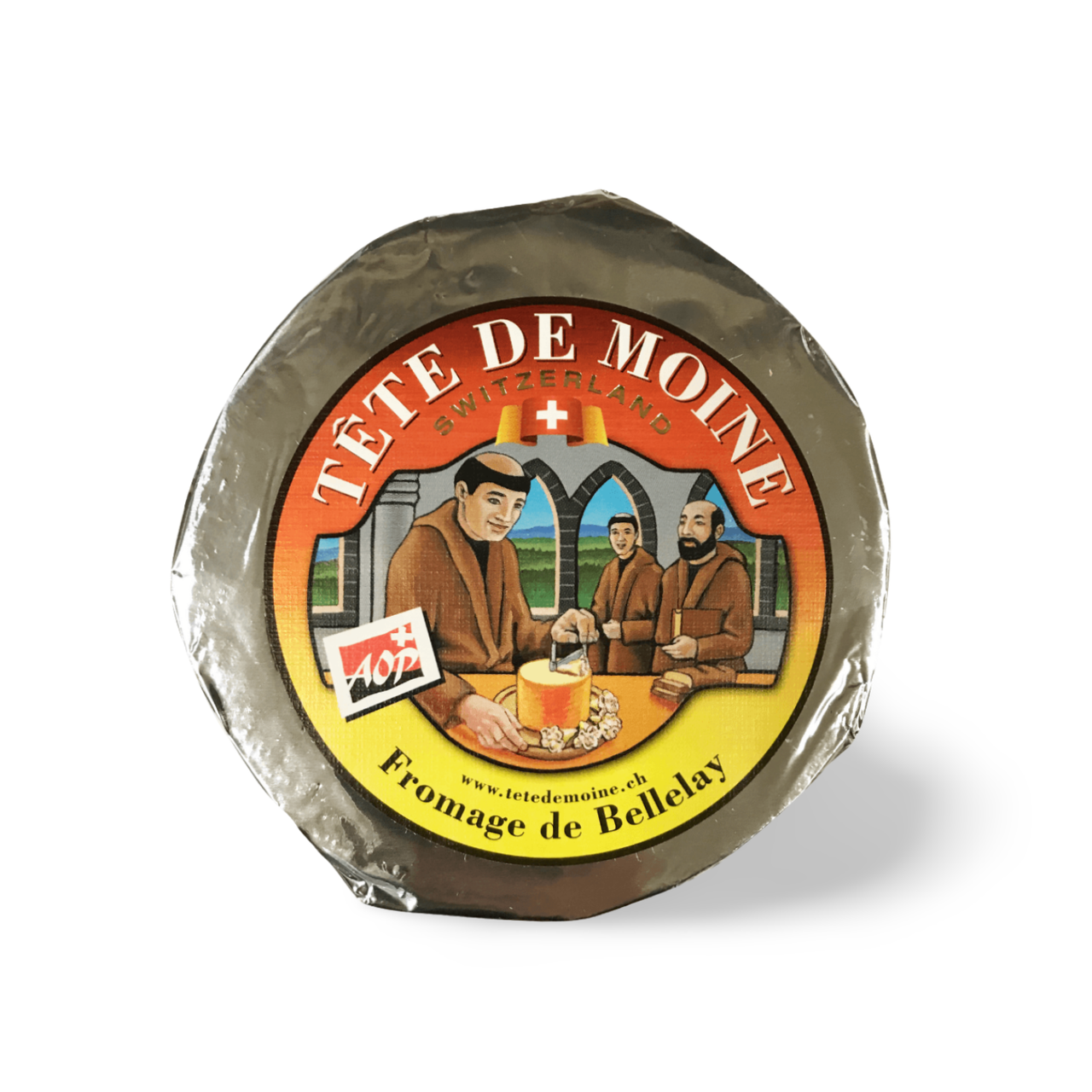
Tête de Moine, translating to ‘Monk’s Head,’ hails from the picturesque Jura Mountains of Switzerland. This cheese boasts a storied past, having been developed by Cistercian monks at Bellelay Abbey as early as the 12th century. It’s known for its cylindrical shape and the specific serving tradition that sets it apart: shaved into delicate rosettes using a device called a Girolle.
An Alpine Experience in Every Bite
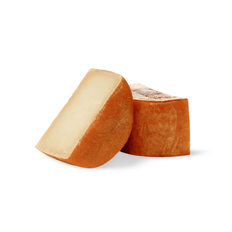
Made from raw cow’s milk, Tête de Moine possesses a washed rind, presenting in hues ranging from brown to reddish-brown, and an ivory to light yellow paste that becomes more vibrant with age. The texture is distinctively semi-hard yet creamy, with a nuanced crumbly feel adding layers to its sensory experience.
Flavor Profile
The flavor profile of Tête de Moine is robust and multidimensional. It starts with sweet and nutty notes, enriched with a savory depth reminiscent of musty wood and alpine herbs. As the cheese ages, it develops a piquant undertone, providing a delightful tangy finish.
Traditional Craftsmanship
The production of Tête de Moine adheres strictly to traditional methods upheld by the AOP protected designation. Cows are pastured on the lush grasses and herbs of the Jura, without the use of silage, giving the cheese its aromatic complexity. The use of raw milk is pivotal, with cheese production commencing within 24 hours of milking, often marrying the flavors of morning and evening milk.
Aging is a critical step where the wheels, weighing between 700 and 900 grams, are placed on spruce boards, aged for at least 75 days in moist cheese caves. This environment is pivotal for developing the cheese’s characteristic rind.
A True Culinary Centerpiece
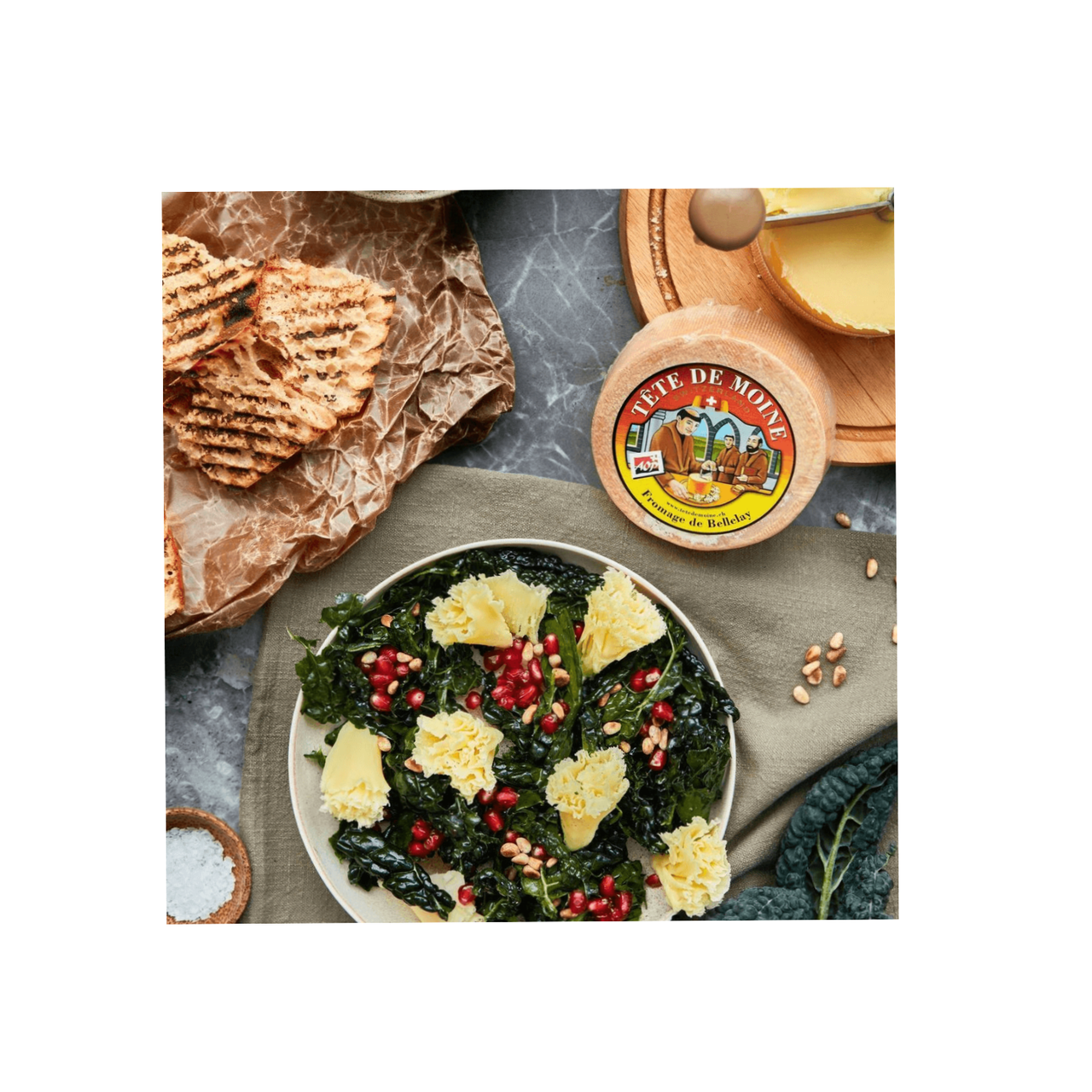
Tête de Moine’s unique serving involves using a Girolle which creates thin, iconic rosettes. These can adorn cheese boards as a distinguished centerpiece, or serve as an elegant garnish over salads and warm dishes. The rosettes enhance both the visual and aromatic appeal of any presentation.
Pairings and Enjoyment
To complement its flavor profile, pair Tête de Moine with wines such as aromatic whites like Gewürztraminer or light reds such as Pinot Noir. Alternately, a malty craft beer can wonderfully accompany the sweet and savory notes of this exceptional cheese.
A Symbol of Swiss Heritage
Embodying Swiss monastic heritage, Tête de Moine is more than just a cheese—it’s a celebration of tradition and cultural resilience. It stands as a testament to the fine craftsmanship and enduring quality of Alpine cheesemaking.
The Seal of Authenticity
Only the cheese produced in the very specific regions of the Swiss Jura can claim the name Tête de Moine, under its protected PDO status, ensuring each wheel carries on the centuries-old artisanal legacy.