No, it’s not a flaw. It’s a feature.
If you’ve ever poured a beautiful bottle of wine only to find some tiny bits or crystals at the bottom, don’t panic. You’re not drinking something gone bad — you’re actually drinking something very right.
Welcome to the world of low-intervention wines, where purity takes priority over perfection, and the winemakers care more about what’s inside the bottle than how clear it looks under restaurant lighting.
.jpg)
What is a Low-Intervention Wine, Anyway?
Think of it like the farm-to-table of wine. Low-intervention winemaking is all about keeping things as natural as possible. That means:
- No heavy filtering or industrial processing
- Little to no added chemicals or stabilizers
- Minimal tampering with what nature gave
The result? A wine that’s honest, expressive, and sometimes just a little bit rustic — in the best way.
But What About the Sediment?
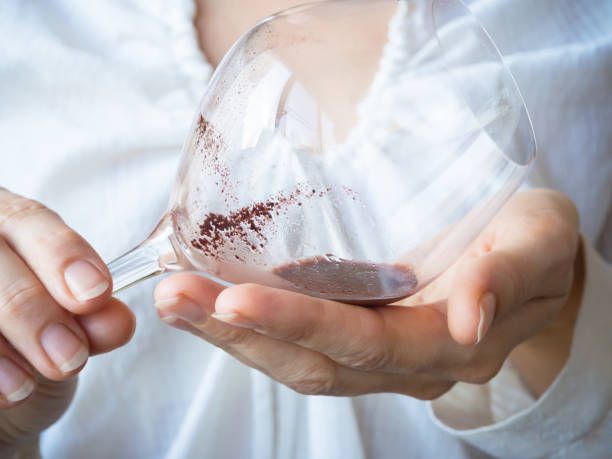
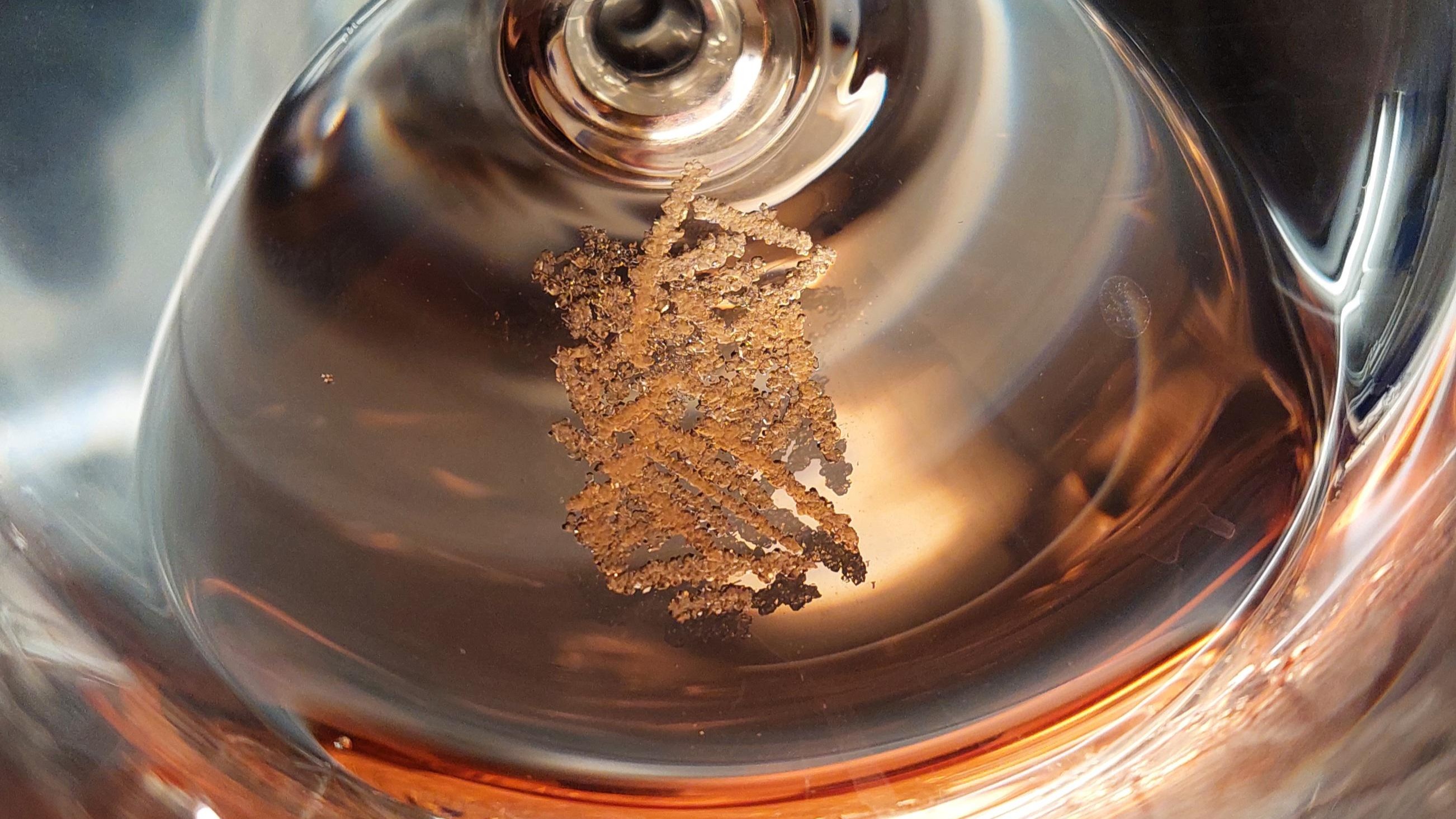
That mysterious stuff floating at the bottom? It’s just a sign your wine wasn’t frozen or stripped clean in a lab. Usually, it’s a mix of tartaric acid crystals, potassium, and sometimes a little grape skin pigment. Completely harmless, and usually only found in the last pour.
Many large-scale wineries chill their wines to -2°C to make these particles disappear. But freezing can flatten the wine’s personality. Ramon and Jordi of PARDAS, one of our favorite low-intervention producers from Penedès, Spain, skip that step entirely.
As Ramon says:
“Some people want perfect wine. We want real wine.”
And we couldn’t agree more.
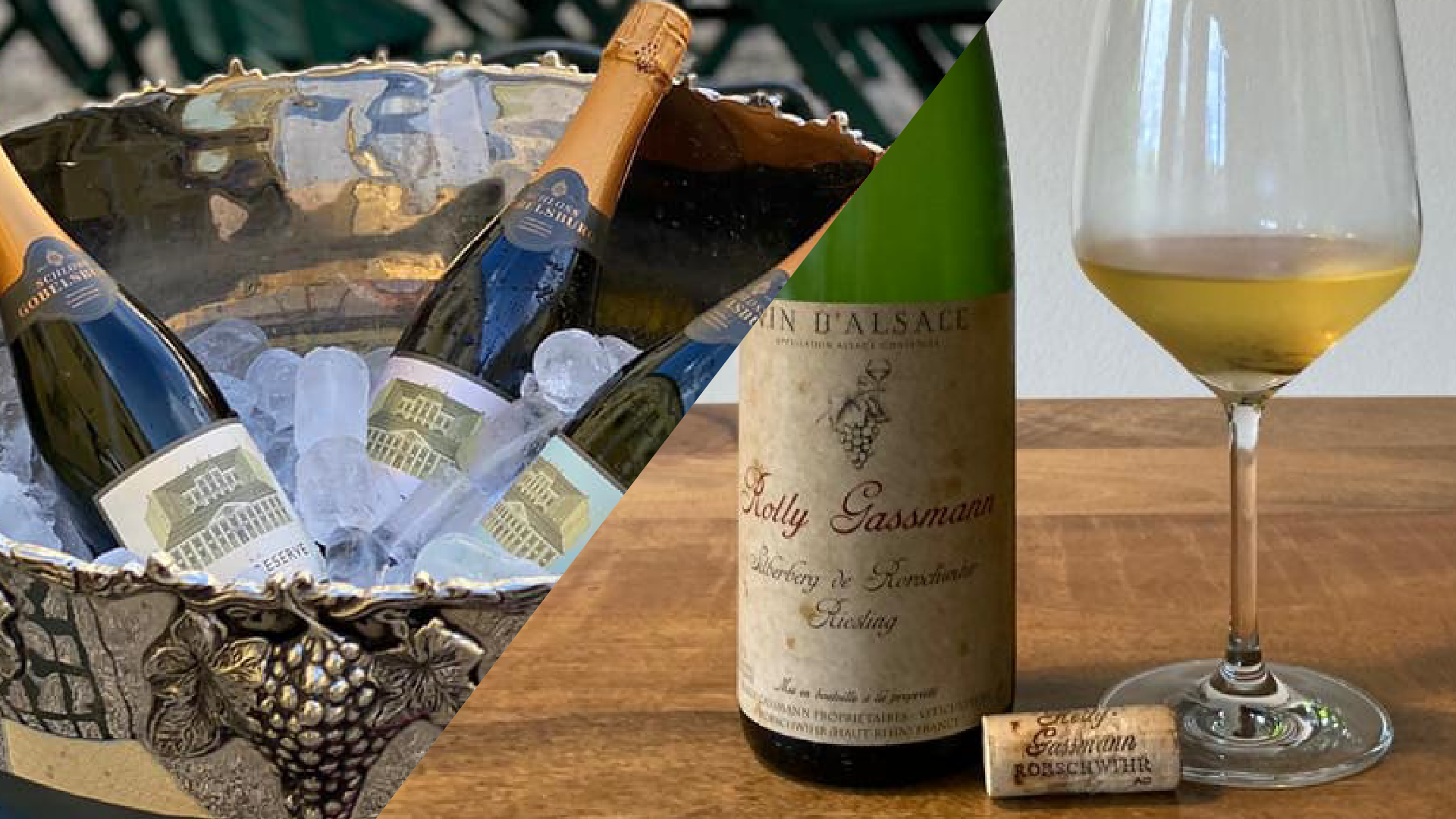
Who Else Is Doing It Right?
If you love the purity of PARDAS, we’d love to introduce you to two other winemaking families who share the same philosophy.
Schloss Gobelsburg (Kamptal, Austria)
This centuries-old estate makes mineral-rich, beautifully structured Grüner Veltliner and Riesling — certified organic, and produced with total respect for the land.
Rolly Gassmann (Alsace, France)
For generations, this family has crafted aromatic, expressive wines without compromise. They let nature guide them, not shortcuts.
A Few Things to Remember
- If you spot crystals or flakes in your glass — especially when the wine’s cold — it’s perfectly normal. It won’t affect taste at all.
- Try not to over-chill low-intervention wines, especially reds or skin-contact whites. Store them cool, not icy.
- For premium bottles, like Coto de Gomariz VX Caco, decanting helps separate the sediment and lets the wine breathe beautifully.
- Always pour gently toward the end of the bottle. Don’t shake or upend it. Sediments belong in the bottle, not the glass.
So… Should You Worry?
Not one bit. In fact, seeing a little sediment is cause to celebrate. It’s proof your wine wasn’t overly processed, frozen, or filtered into submission.
This is wine with soul. Wine that reflects the land and the hand that made it. Wine that’s worth discovering again and again.
Shop Our Low-Intervention Favorites
PARDAS – Penedès, Spain
Minimal filtering, zero freezing, full flavor. From crisp whites to earthy reds.
Schloss Gobelsburg – Kamptal, Austria
Certified organic, deeply expressive, and a joy with food.
Rolly Gassmann – Alsace, France
Lush, aromatic wines with real integrity — made the way Alsace intended.
Drink a little less perfectly. Taste a lot more beautifully.
Explore our selection of low-intervention wines online or in-store. And don’t worry about the crystals — we’ve got you.