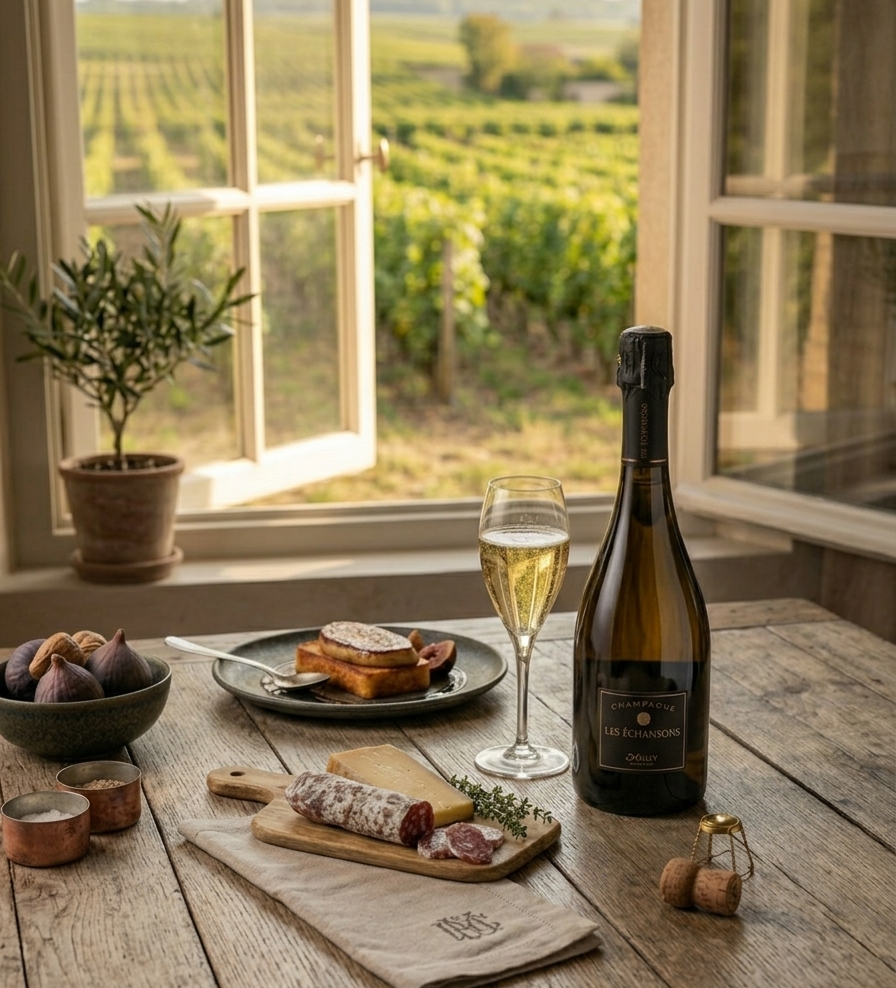
Godard is legendary for their high-quality Perigordian duck, so when you have a lobe of their foie gras, the goal is to respect the product by doing as little as possible to it.
To honor that tradition, here is a recipe for a Classic Pan-Seared Duck Foie Gras with Balsamic Fig Reduction. This method highlights the rich, buttery texture Godard is known for while adding a hit of acidity to cut through the fat.
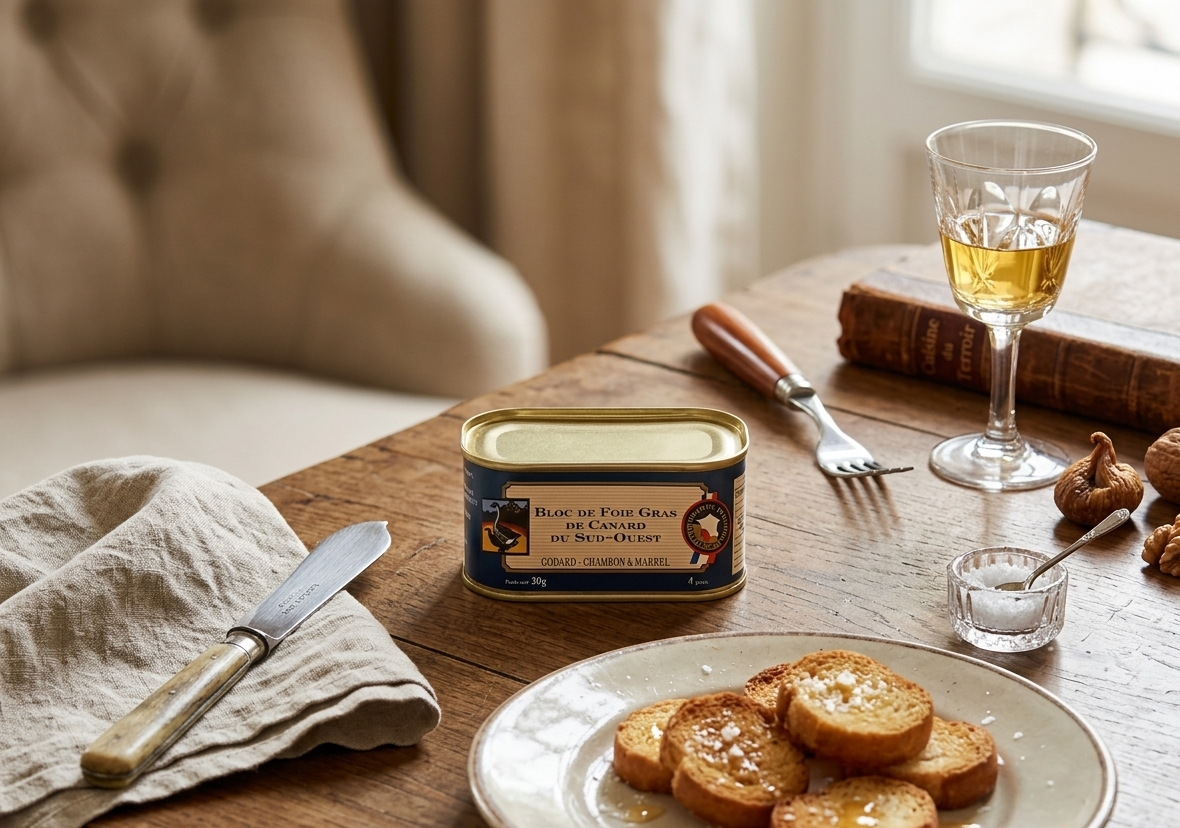
The Ingredients
- 1 Lobe Godard Raw Duck Foie Gras (approx. 1 lb)
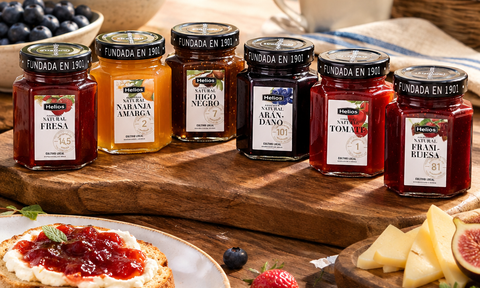
- 6 Fresh figs, halved (or dried if out of season)
- ½ cup Aged balsamic vinegar
- 2 tbsp Port wine or a sweet Sauternes
- 1 tbsp Honey
- To taste: Fleur de sel (sea salt) and freshly cracked black pepper
- For serving: Toasted brioche slices
The Preparation
1. The Fig Reduction
Before touching the liver, get your sauce ready.
- In a small saucepan, combine the balsamic vinegar, Port, and honey.
- Simmer over medium-low heat until the liquid reduces by half and becomes syrupy.
- Add the figs to the syrup and poach them for 2–3 minutes until softened. Set aside.
2. Slicing the Foie Gras
- The Golden Rule: The foie gras must be ice cold when it hits the pan, or it will melt into a puddle of oil.
- Using a sharp knife dipped in hot water, cut the lobe into thick slices (about ¾ inch or 2 cm thick).
- Lightly score a crosshatch pattern into both sides of each slice—this helps the heat penetrate quickly and looks beautiful.
- Season generously with salt and pepper.
3. The Sear
- Heat a stainless steel or cast-iron skillet over high heat. Do not add oil or butter; the duck provides its own.
- Once the pan is smoking slightly, add the slices. Do not crowd the pan.
- Sear for exactly 45 to 60 seconds per side. You are looking for a deep, caramelized brown crust while the center remains soft and barely warm.
- Immediately transfer the slices to a paper towel-lined plate for 30 seconds to drain excess fat.
Assembly
- Place a warm slice of toasted brioche on a pre-warmed plate.
- Top with the seared Maison Godard Foie Gras.
- Arrange two fig halves next to the duck.
- Drizzle the balsamic reduction over the plate.
- Finish with a final sprinkle of Fleur de sel.
Pro Tips for Success
- The Fat: Don’t throw away the rendered fat left in the pan! Filter it and keep it in the fridge; it’s “liquid gold” for roasting potatoes later.
- Temperature: If the foie gras feels soft while you are handling it, put it back in the freezer for 5 minutes before searing.
To elevate this Perigordian masterpiece, we are swapping the traditional sweet wine for a sophisticated, structured Champagne. Here is the pairing content for the
Champagne Mailly Grand Cru Les Échansons.
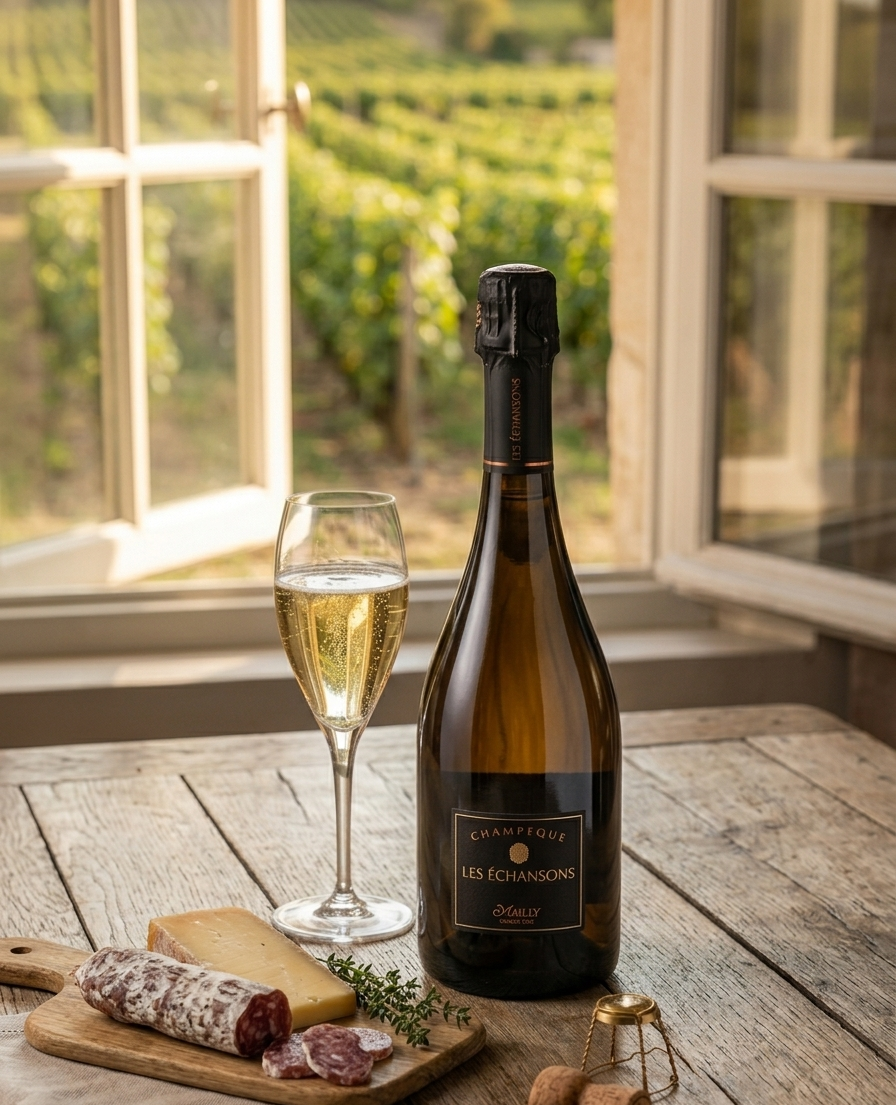
The Perfect Pairing: Champagne Mailly Grand Cru Les Échansons
While a sweet Sauternes is the classic choice, the
Champagne Mailly Grand Cru Les Échansons offers a more cerebral and refreshing counterpoint to the richness of Maison Godard foie gras. This prestige cuvée, crafted from the finest Grand Cru plots in Mailly-Champagne, is a blend dominated by Pinot Noir, providing the “backbone” necessary to stand up to the duck’s decadence.
Why It Works
- The Cut: Unlike a sweet wine that coats the palate, the fine, persistent bubbles and vibrant acidity of Les Échansons act as a “palate cleanser.” Each sip cuts through the buttery texture of the foie gras, prepping your taste buds for the next bite.
- Aromatic Harmony: This Champagne undergoes extended lees aging, developing complex notes of toasted brioche, roasted nuts, and honey. these mirror the flavors of the toasted brioche base and the caramelized crust of the seared liver.
- The Fruit Connection: The Pinot Noir dominance brings subtle red fruit undertones that dance beautifully with the balsamic fig reduction, bridging the gap between the savory sear and the sweet fruit.
Serving Suggestion
Serve the Les Échansons at approximately 10°C to 12°C. Avoid serving it ice-cold; a slightly warmer temperature allows the wine’s vinous character and creamy texture to fully expand, matching the warmth of the seared Maison Godard Foie Gras.